Burlington’s oldest trees are irreplaceable. A certified arborist can tell you which ones can be saved.
ISA Certified. We diagnose first. We recommend removal only when nothing else makes sense.
Burlington’s urban canopy is under pressure. Emerald Ash Borer has killed white ash trees throughout Chittenden County and continues to spread. Dutch Elm Disease remains a threat to the elms that define Burlington’s older streets. Sugar maples — Vermont’s signature tree — are showing climate-related stress that requires an informed eye to assess.
A tree removal crew can take a sick tree down. An ISA Certified Arborist can tell you whether it needs to come down, whether it can be treated, and what treatment actually costs versus what you save by keeping a mature tree on your property.
We assess tree health and manage disease. Sometimes the right answer is removal. Often it isn’t.
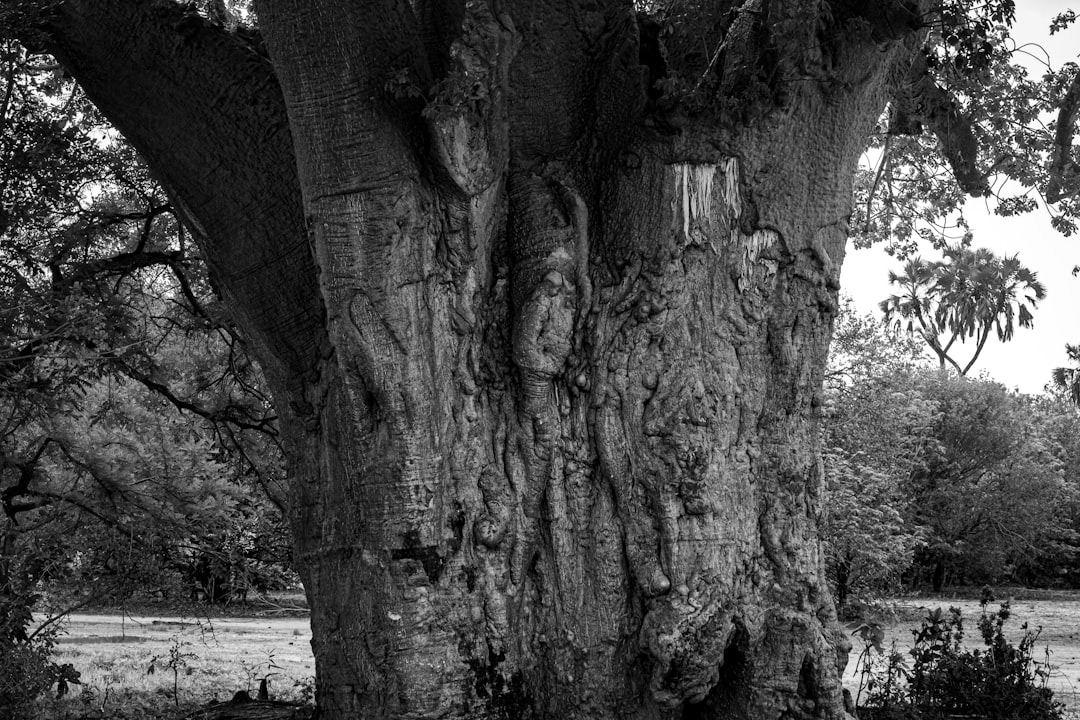
What’s affecting Chittenden County’s trees
**Emerald Ash Borer (EAB)**
EAB has moved aggressively through Vermont, and Chittenden County is no exception. White ash throughout Burlington, South Burlington, and Williston is at risk. The beetle’s larvae destroy the vascular system beneath the bark, killing trees from the top down.
Early indicators: canopy thinning that starts at the crown tips, epicormic sprouting along the trunk and major limbs, distinctive S-shaped galleries under the bark, and heavy woodpecker foraging activity. Trees detected early — before 30–40% canopy loss — are candidates for treatment. Beyond that threshold, removal is the correct call.
We assess EAB status. We don’t recommend removal for trees that can be treated, and we don’t recommend treatment for trees that are past saving.
**Dutch Elm Disease**
Burlington’s surviving American elms are among its most historically significant trees. Dutch Elm Disease is caused by a fungus spread by elm bark beetles. It presents as wilting and yellowing in individual branches, typically starting in one section of the crown. Cross-sections of infected wood show characteristic dark vascular staining.
Preventive fungicide injection protects high-value elms. Early intervention when infection is detected can save a tree. We assess, advise, and treat where it makes sense.
**Coastal and Urban Tree Stress**
Burlington’s proximity to the ocean creates specific conditions — salt spray damage on coastal-facing properties, periodic flooding from storm surge and heavy rain, and soil conditions affected by decades of urban development. Coastal stress presents as marginal leaf scorch, reduced shoot growth, and gradual canopy decline that can be addressed if identified early.
Soil compaction from foot traffic and paving affects root zones throughout Burlington’s older neighborhoods. Vertical mulching and aeration can restore root function in trees that have lost vigor without visible disease.
**Root Rot and Decay**
Older Burlington properties sometimes have drainage conditions that promote fungal root rot — Armillaria and related organisms that colonize root systems and advance into the trunk base. We assess basal decay and advise on whether the structural integrity of the tree still justifies retention.
What removal actually costs over time
A mature sugar maple or American elm on a Burlington property has real financial value — not just as a landscape feature but as a measurable contributor to property value and energy efficiency. Studies consistently show that large, healthy trees increase adjacent property values.
A nursery tree planted to replace a removed mature tree takes decades to approach comparable canopy coverage. Treatment that preserves a 60-year-old tree for another 20 years returns that investment many times over.
We tell you honestly when a tree is past saving. We also tell you honestly when it isn’t — because the recommendation to remove a tree that can be treated doesn’t serve you.
Burlington, South Burlington, and Williston
We provide tree health assessments and disease management throughout our service area. If you’re nearby and unsure, call us.
Concerned about a tree on your property?
Call for a free assessment with a certified arborist.
Or fill out the short form and we’ll reach out within one business day.